engineering supported marine certified surface finishing for boats
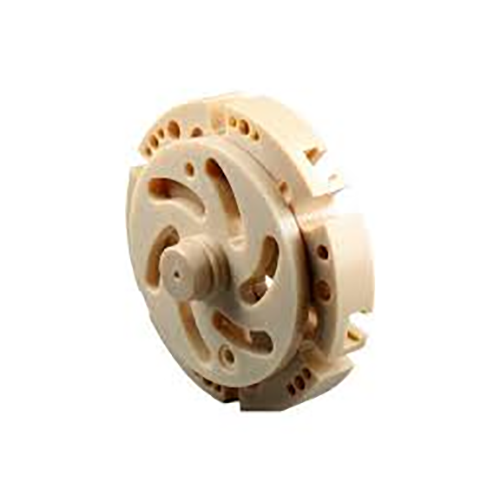
Meeting defined surface quality on a CNC-produced component is highly significant.
- Blueprint callouts define exact texture requirements for manufactured pieces
- Technical callouts use Ra, a measure of average irregularity, to quantify finish
- Grasping callout meaning is essential to make parts conform to design intent
- Prescribed surface characteristics govern lubrication, abrasion, and longevity
- Understanding the notation correctly yields the desired surface result
Understanding Precision Engineering in CNC Machining
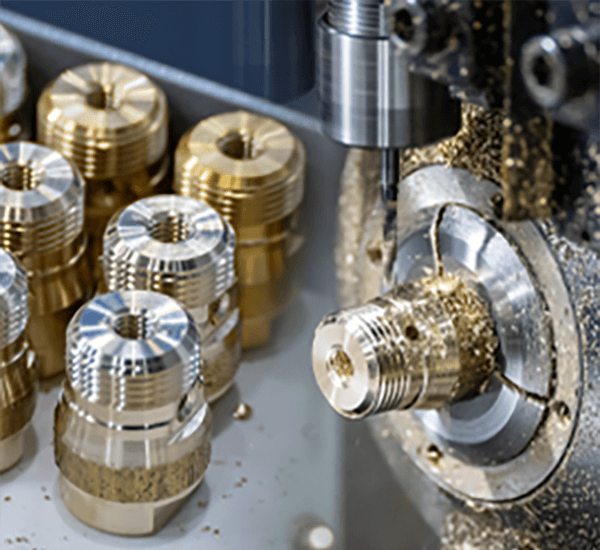
Automated machining signifies a significant manufacturing innovation using CNC instructions the equipment fabricates detailed forms with consistency.
- CNC equipment supports building precise items from many material classes
- Multifaceted CNC utility supports electronics, automotive, and aerospace production
- Programmed machining assures dependable consistency across manufacturing cycles
From initial prototype stages to mass-manufacture CNC machining supports modern production workflows
Reading CNC Machine Specs
Parsing spec sheets may feel challenging at initial inspection
However with a bit of knowledge and a systematic approach you can easily navigate these technical details
Launch by determining central specs: spindle rpm, feed velocity, accuracy, envelope, controller
All these values combine to influence overall operational ability.
In practice greater spindle speed often suits ductile substrates whereas higher feed supports productivity.
Understanding these relationships will allow you to select the right CNC machine to match your specific requirements
It’s wise to study manufacturer documentation comprehensively.
Those resources usually offer helpful explanations and clarify jargon
Understanding CNC Machines: A Complete Overview
CNC systems refer to programmed machine tools for accurate automated part production across materials They function by reading numerical G-code commands that drive cutting heads and actuators.
- Typical CNC models span milling centers, rotary lathes, CNC routers, plasma tables
- Processes are adaptable to metals, polymers, timber, and composite materials
- Moreover CNC platforms enable rapid model creation and small-batch production for SMEs and R&D teams
Overview of CNC Machine Fundamentals
CNC machines represent a remarkable fusion of mechanical precision and sophisticated software control These versatile tools utilize computer programming to automatically manufacture a wide range of parts from simple components to complex assemblies The core idea is converting digital blueprints into tangible parts.
- Numerical control manufacturing
- Software-guided fabrication
This process involves a series of precise movements guided by the computer program Production personnel configure feeds and speeds, monitor cycles, and guarantee output quality.
Significance of Surface Finish in CNC
Meeting set surface quality in CNC work is significant It shapes both functional outcomes and outward appearance The type of material being machined the cutting parameters used and the post-processing operations all contribute to the achieved surface texture.
A smooth surface finish can enhance the product's durability while a rougher finish may reduce its effectiveness Code-driven machining enables selective tooling and techniques to attain required textures.
- By using distinct cutter geometries |tool materials|RPM and feed adjustments to craft finish
- In addition buffing, grinding, and sanding may be applied to upgrade finishes
Comprehending the connections between machining choices and texture secures better results.
From Operation to Applications: CNC Basics
Computerized machining precisely produces parts from metals, plastics, and other materials They follow G-code sequences to generate complex parts reliably Understanding machine control, programming, and tooling choices is crucial for effective machining
Use cases cover aerospace, automotive, medical, electronics, and more sectors From fine aerospace pieces to intricate mold geometries, CNC underpins complex manufacturing
Surface Finish Notation for Machined Components
Proper specification of surface finish is crucial when machining parts on a CNC machine It assures alignment with required performance and visual expectations Drawings usually depict finish requirements with Ra roughness values This numerical value expressed in micrometers inches or millimeters indicates the average height of surface irregularities.
Consider needed smoothness and the part’s application to determine finish requirements

Smooth textures are commonly specified for components demanding precise fits and tolerances
Textured surfaces may be selected to improve grip or frictional engagement
Employ an unambiguous finish note on drawings to specify surface expectations Provide the roughness average and detail supplemental processes or treatments needed.
Observe that unambiguous finish specifications are vital for manufacturing outcomes
Classification of CNC Machines and Uses
Machine shops deploy varied CNC equipment tailored to many distinct production tasks These versatile tools utilize computer-aided design (CAD) software to control cutting tools enabling precise and efficient fabrication of components.
- Turning centers form shafts rods and cylindrical forms by cutting along axes
- Turning machines rotate stock to create symmetrical components efficiently
- Laser systems produce fine kerfs and detailed shapes in thin materials
The choice of CNC machine depends on the specific project requirements materials being worked with and desired precision Every machine class brings specific strengths that serve sectors like aerospace and automotive.
Achieving Optimal Surface Finish with CNC Machining
Achieving a superior surface finish is crucial in numerous manufacturing processes and CNC machining offers an exceptional method for achieving this goal Using accurate feed and speed selection plus optimized tool geometry technicians refine cutting action to reduce surface flaws Besides that quality tooling combined with good lubrication practices leads to improved surface results By choosing tailored toolpaths and precise setups operators can deliver parts with outstanding finishes.
Surface Finish Considerations in CNC Programming
Skillful CNC programming directly impacts the final surface quality Cutting parameter selection—feed, speed, tool geometry—controls surface finish Conscientious parameter tuning with sound coolant strategy produces excellent surface quality.
- Also ongoing what is acnc machines tool care and inspection support sustained finish reliability Plus regular inspection and maintenance of tools copyright finishing standards Continuous tool maintenance and oversight preserve high finish consistency
- To optimize surface finish programmers should consider factors like material type desired surface roughness and the application requirements
- Using CAM simulation lets you preview and tweak toolpaths to lower defect risk
- Furthermore regular tool maintenance and inspection are essential for ensuring a consistent and high-quality surface finish over time