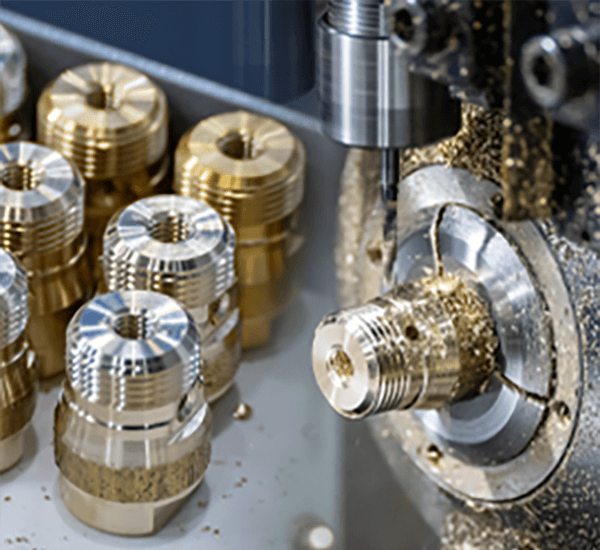
deburr minimized implant surface finishing tailored services
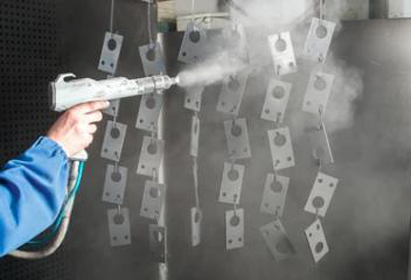
Securing exact surface quality on a machined component is critical.
- Technical drawings lay out precise surface criteria for components
- These callouts often use terms like "Ra," which stands for arithmetic mean deviation to quantify the surface roughness
- Knowing how to read finish callouts is critical for meeting performance goals
- Specified roughness affects lubricant distribution, frictional performance, and durability
- Proper decoding of specifications is critical to deliver the expected finish
Precision Engineering Through CNC Machining
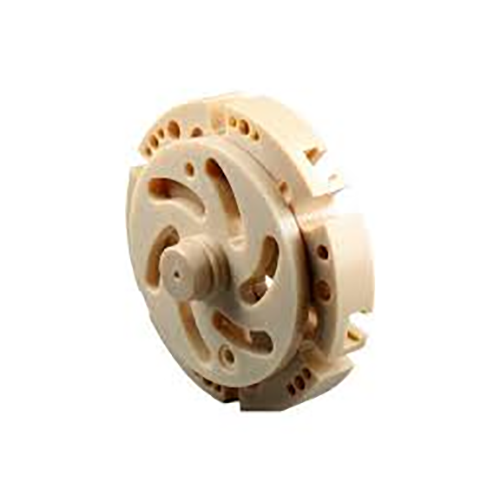
CNC machining represents a game-changing method in production using CNC instructions the equipment fabricates detailed forms with consistency.
- CNC systems permit manufacture of precise components from diverse substrates
- CNC adaptability suits industries including aerospace and automotive sectors
- CNC processes produce uniform parts with high repeatability over runs
From concept models to high-volume manufacturing CNC machining anchors industrial production
CNC Spec Interpretation
Interpreting CNC data often seems complex on first review
Though a little background plus organization helps you interpret technical details effectively
Commence with recognizing main metrics: spindle rpm, feed, precision, work volume, control system
Every listed attribute influences the equipment’s operational capacity.
Example: increased spindle revolutions aid soft materials; accelerated feed raises production.
Appreciating such links enables selection of equipment fit for your objectives
It’s wise to study manufacturer documentation comprehensively.
Provided manuals commonly contain clarifying information and define jargon
CNC Machinery: An Exhaustive Guide
Numerical-controlled machines are computer-guided systems for accurate automated manufacturing across substrates These systems execute G-code sequences to govern tool movement and actuation.
- Representative CNC types cover milling tools, turning machines, routers, plasma cutters
- Cutting methods suit steels, plastics, woods, and layered composites
- In addition these machines facilitate quick prototyping and short-run manufacturing for startups and labs
CNC Machines: The Fundamentals Explained
They illustrate synthesis of mechanical precision and computerized control logic Versatile machinery employs programmed code to autonomously produce simple parts and complex assemblies Essential concept transposes digital designs into manufactured reality.
- CNC machining
- Programmed manufacturing process
It requires coordinated toolpath steps instructed by G-code Technicians are essential for choosing cutting settings, supervising processes, and validating final quality.
The Role of Surface Finish in CNC Machining
Meeting set surface quality in CNC work is significant It determines product function and aesthetic quality Base material, cutting conditions, and post-machining refinements govern texture.
Polished textures increase lifespan; rough finishes may lower effectiveness CNC machining processes offer a wide range of tools and techniques to achieve the specific surface finish for different applications.
- By using distinct cutter geometries |carbide alloys|surface speed choices to reach texture
- Additionally finishing processes including polishing and grinding refine texture
Knowing parameter-to-finish links is vital to secure the best results.
CNC Overview: From Use to Application
Programmed machining provides accurate part shaping across multiple material types They process digital commands to produce elaborate components repeatedly Familiarity with programming, tooling, and machine operation is key to process success
Industry applications include aircraft, automotive, medical, electronics, and beyond From turbine components to precision mold cores, CNC supports manufacture of complex parts
Surface Finish Standards for CNC Machining
Proper specification of surface finish is crucial when machining parts on a CNC machine It ensures part compliance with operational and appearance standards Callouts commonly use the roughness average (Ra) system to denote surface finish Reported in µm or inches, the metric indicates average irregularity magnitude.
Take into account target smoothness and how the part will be used when calling out finish

In many cases fine finishes are necessary for accurate alignment and tight interfaces
Rougher textures often suit parts intended for grip or high-friction contact
Apply clear finish annotations in technical drawings to state desired texture Provide the roughness average and detail supplemental processes or treatments needed.
Understand that effective surface annotations are critical to production success
Classification of CNC Machines and Uses
The world of CNC machining is vast and diverse with a wide array of machines designed to tackle various types of tasks They work with CAD/CAM programs to command cutters and deliver accurate component fabrication.
- Mills shape slots pockets and complex contours through rotary cutting
- Profiling routers cut complex outlines usually in softer materials
- Waterjet cutters use high-pressure abrasive streams to cut diverse materials without thermal effects
Selecting equipment relies on part complexity material properties and tolerance needs Each type of CNC machine offers unique capabilities making them essential tools in diverse industries from automotive to aerospace.
Securing Optimal Finish Using CNC Machining
Achieving a superior surface finish is crucial in numerous manufacturing processes and CNC machining offers an exceptional method for achieving this goal Using accurate feed and speed selection plus optimized tool geometry technicians refine cutting action to reduce surface flaws Moreover premium cutters and correct coolant application enhance surface outcomes Selecting appropriate cutting approaches and detailed machine calibration yields high-quality surfaces.
Surface Finish Considerations in CNC Programming
Controlling finish within programming is key to obtaining target surface results Cutting parameter selection—feed, speed, tool geometry—controls surface finish Exact parameter choices plus proper fluid management achieve refined finishes.
- Moreover scheduled tool maintenance and inspection preserve surface performance Moreover scheduled tool maintenance and inspection preserve surface performance In addition periodic tool servicing and checks secure consistent surface quality
- In pursuit of improved finish examine material properties, roughness goals and application
- Simulated machining supports parameter refinement to mitigate surface issues
- In addition periodic tool servicing and checks secure consistent surface quality